
Creating beautiful, functional pottery involves navigating numerous potential pitfalls at every stage of the process. From the moment you begin wedging clay to the final reveal when you open the kiln, defects can appear that compromise your work's structural integrity, aesthetic appeal, or functionality. Understanding these common pottery defects, their causes, and prevention strategies is essential for developing consistent, high-quality results. This comprehensive guide explores the most frequent pottery problems and provides practical solutions to help you avoid them.
Surface Defects: Texture and Appearance Issues
Surface quality significantly impacts both the aesthetic and functional properties of pottery. Several common defects affect the clay body's surface before and after firing.
Pinholes and Bloating
Pinholes are tiny holes in the glazed surface that appear as small craters or dots. They occur when gases trapped in the clay body escape during firing, breaking through the glaze surface and leaving tiny openings. Bloating is a related problem where the clay body actually swells or blisters during firing due to excessive gas formation.
These defects typically result from organic matter in the clay, sulfur compounds, or firing temperatures that are too high for the clay body. When clay reaches maturity temperature, decomposing organic materials release gases. If the glaze has already sealed the surface, these gases become trapped and force their way out, creating pinholes.
Prevention strategies include bisque firing to a sufficient temperature (usually cone 04 or higher) to burn out organic materials before glazing. Allow adequate time at peak temperature during bisque firing to ensure complete burnout of carbonaceous materials. If pinholes persist, try holding your glaze firing at peak temperature for 15-30 minutes to allow gases to escape and the glaze to heal over. Some potters also apply thinner glaze coats or add a small percentage of zircopax to glazes to help eliminate pinholes.
Crawling and Glaze Separation
Crawling occurs when glaze pulls away from the clay surface during firing, leaving bare patches of exposed clay body. The glaze beads up like water on a waxed surface, creating distinctive patterns of glazed and unglazed areas. While sometimes used intentionally for decorative effect, crawling is usually an unwanted defect.
Common causes include dusty or oily bisqueware surfaces, applying glaze too thickly, glazing over extremely porous or flaky surfaces, or using glazes with very high clay content. Handling bisqueware with oily hands can deposit oils that prevent glaze adhesion. Dust from sanding or trimming that isn't cleaned off creates a barrier between glaze and clay.
Prevent crawling by thoroughly cleaning bisqueware before glazing using a damp sponge or soft brush. Avoid touching bisque surfaces with bare hands—handle pieces by their feet or bottom edges. Apply glaze in multiple thin coats rather than one thick application. If a glaze has a tendency to crawl, adding a small percentage of gum solution (like CMC gum) improves adhesion. Ensure bisqueware is properly fired and not overly porous or chalky, which can occur from underfiring.
Crazing: The Network of Fine Cracks
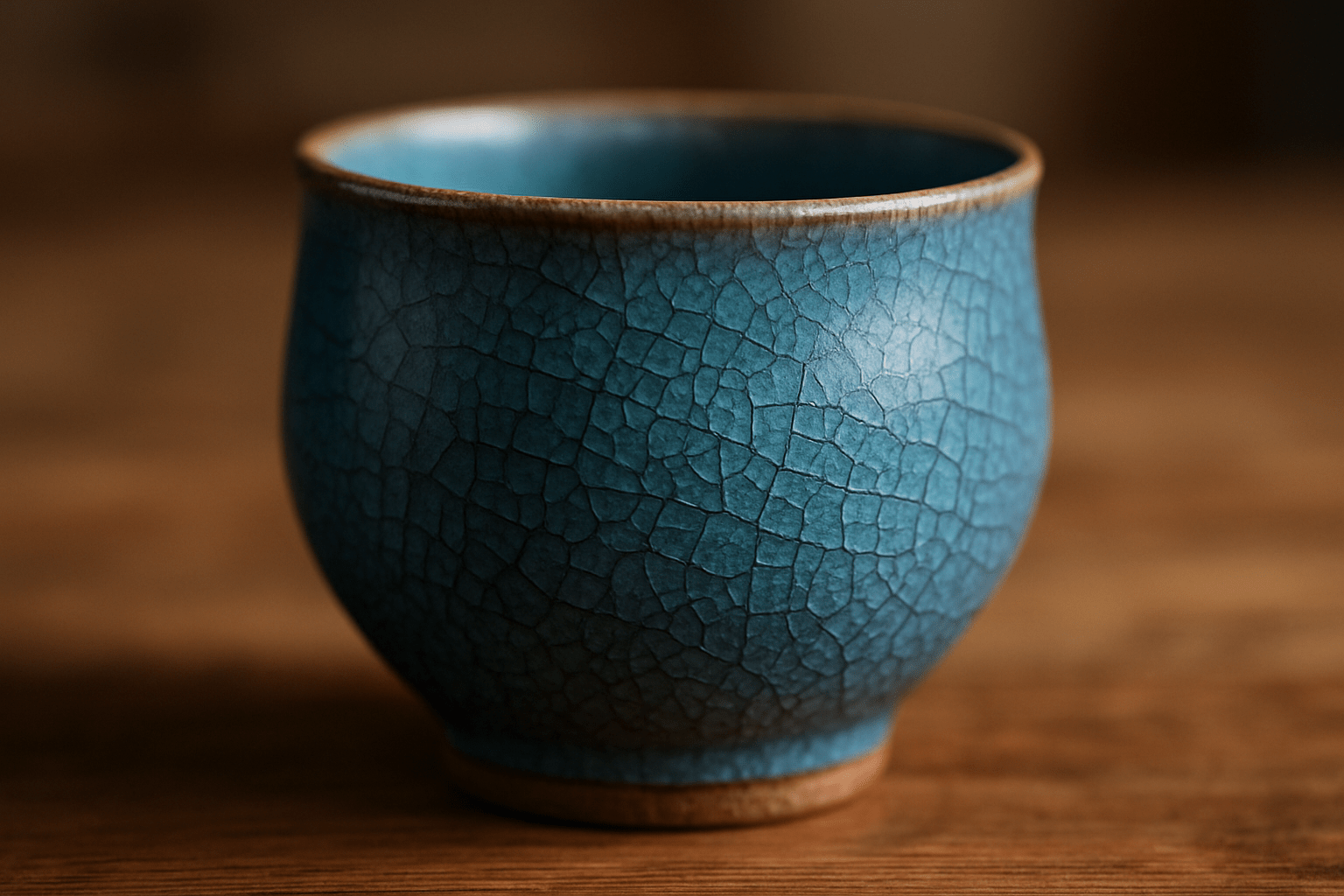
Crazing appears as a network of fine cracks in the glaze surface, creating a crackled effect. The clay body remains intact, but the glaze layer has cracked into a web-like pattern. While prized in some decorative applications like raku pottery, crazing is generally considered a defect in functional ware because bacteria and liquids can penetrate the cracks, making pieces unsanitary and potentially leading to staining.
Crazing occurs when the glaze contracts more than the clay body during cooling. Every material has a coefficient of thermal expansion—how much it expands when heated and contracts when cooled. If the glaze and clay body don't have compatible expansion rates, stress builds up in the cooled glaze until it cracks.
Prevention requires using glazes properly formulated for your clay body. Commercial glazes are typically tested for specific clay bodies and temperature ranges—using them outside these parameters increases crazing risk. If making your own glazes, adjust the glaze formula to increase silica or decrease materials that contribute to expansion (like sodium and potassium). Some potters also address crazing by slightly increasing the firing temperature, which can help the glaze mature more fully and reduce the expansion mismatch.
For functional ware, avoid using crazed pieces for food or liquids, as the cracks harbor bacteria even after washing. If a favorite glaze consistently crazes, reserve it for decorative pieces only.
Shivering: When Glaze Pops Off
Shivering is the opposite problem from crazing—the glaze is under so much compression that it actually flakes or pops off the clay body. Small chips of glaze detach, often taking tiny pieces of clay with them. This typically happens at rims, handles, or edges where stress concentrates.
Shivering indicates the glaze is contracting less than the clay body during cooling, putting it under compression. While slight compression is actually desirable (it strengthens glazed ware), excessive compression causes failure.
Prevent shivering by adjusting glaze formulas to increase expansion, often by reducing silica content or adding materials with higher expansion rates. Like crazing, glaze-clay fit issues require either changing the glaze or changing the clay body. Most potters find it easier to switch glazes than reformulate their clay body, especially if the clay works well otherwise.
Structural Defects: Strength and Integrity Issues
Beyond surface problems, pottery can develop structural defects that compromise its strength and durability.
Underfiring and Overfiring
Firing to the wrong temperature creates numerous problems. Underfired pottery remains porous, weak, and often chalky in texture. The clay body hasn't fully matured, meaning clay particles haven't bonded properly. Underfired bisqueware may be too porous and fragile, making glazing difficult. Underfired glaze firings leave glazes immature—they may be rough, lack shine, or exhibit poor color development.
Overfiring causes different but equally problematic issues. Clay bodies can bloat, warp, or even begin to melt. Glazes may run excessively, bubble, change color dramatically, or develop a rough, overcooked surface. In extreme cases, pieces can stick to kiln shelves or even slump and deform.
Prevention requires accurate kiln firing with proper use of witness cones, a pyrometer, or kiln sitter. Witness cones (small clay pyramids that bend at specific temperatures) provide the most reliable indication of heat work—the combination of time and temperature that affects the clay and glaze. Always use cones appropriate for your target temperature and place them where you can see them through the peephole during firing.
Regularly maintain and calibrate your kiln. Pyrometer thermocouples drift over time, giving false temperature readings. Element resistance increases as elements age, requiring longer firing times or failing to reach temperature. Replace elements before they completely fail, and have pyrometers professionally calibrated annually if you fire frequently.
Warping and Deformation
Warping occurs when pottery distorts during drying or firing, resulting in pieces that don't sit flat, walls that lean, or rims that undulate. Plates that rock on tables, bowls that sit unevenly, and lopsided vessels all result from warping.
During drying, warping happens when one part of a piece dries and shrinks faster than another. A plate placed directly on a non-porous surface like plastic can warp because the bottom can't release moisture. Bowls dried rim-down may warp as the rim shrinks faster than the base.
During firing, warping occurs in several ways. Pieces placed directly on kiln shelves without adequate support can slump as clay becomes plastic at high temperatures. Large flat pieces like platters need kiln stilts or supports under their centers to prevent sagging. Overfiring makes clay more prone to warping as it approaches its melting point.
Prevent warping during drying by using porous drying surfaces like wooden boards or drywall. Dry plates and flat work rim-side-up on porous bats that allow moisture to escape from the bottom. Support large bowls during drying by placing them on a bed of sand or foam that supports the form evenly as it shrinks.
Prevent firing warps by properly supporting work in the kiln. Use kiln stilts under large plates, spacing them to support weight without interfering with glaze. Don't overload kiln shelves—distribute weight evenly and leave adequate space between pieces. Fire to proper temperature rather than overfiring. For tall pieces prone to slumping, consider wadding clay around the base for support during firing.
Bloating and Blistering
Bloating causes the clay body to swell and bubble during firing, creating puffed areas or actual blisters on the surface. This defect results from excessive gas formation within the clay body, often from organic materials or sulfur compounds that decompose during firing.
Recycled clay that contains dried bits or contamination is particularly prone to bloating. Clay stored too long in plastic bags can develop anaerobic bacteria that produce gases during firing. Clay bodies with high iron content may bloat if fired in reduction atmospheres at the wrong temperature.
Prevention includes using fresh, properly stored clay and thorough wedging to ensure consistency. Bisque fire to adequate temperature (cone 04 or higher) with sufficient hold time to burn out organic materials. If using recycled or reclaimed clay, bisque fire test pieces to ensure the clay is sound before making important work. Avoid excessively thick walls that trap gases inside the clay body.
Glaze Application Defects
Many pottery defects stem from improper glaze application rather than the glaze itself.
Bare Spots and Missed Areas
Bare spots where glaze didn't adhere or cover properly create obvious defects in finished work. These can result from dusty bisqueware, greasy fingerprints, wax resist that wasn't completely removed, or simply missed spots during application.
Prevention requires careful surface preparation and thorough application technique. Clean bisqueware before glazing, removing all dust and oils. If using wax resist, apply it carefully and remove completely before glazing—wax that migrates beyond intended areas prevents glaze adhesion. Apply glaze in adequate thickness, typically three coats for dipping or six to eight coats for brushing. Examine pieces carefully in good light before firing to catch missed spots that can be touched up.
Drips, Runs, and Pooling
Glaze applied too thickly or glazes that are too fluid can run during firing, creating drips down the sides of pieces, puddles at the base, or even glaze that runs off pieces and onto kiln shelves (a serious problem that can ruin both your work and kiln furniture).
Prevention involves applying appropriate glaze thickness and ensuring proper glaze consistency. Most glazes should be applied to the thickness of a dime or nickel—thick enough for adequate color and surface quality but not so thick they run. Always wipe glaze off the bottom inch of pieces, and use wax resist on pot bottoms to prevent accidental glaze application. Test glazes, especially new ones, on vertical test tiles before committing important pieces. If a glaze consistently runs, add a small amount of kaolin or alumina to stiffen it.
Pitting and Orange Peel Texture
Pitting creates small depressions in the glaze surface, while orange peel texture makes glaze look dimpled like citrus skin. These defects usually result from improper firing schedules, overly thick glaze application, or insufficient glaze maturation.
Prevention includes applying glaze in appropriate thickness and firing to proper temperature with adequate soak time. Some glazes benefit from a hold period at peak temperature, allowing the glaze to fully melt and smooth out. If pitting persists, the glaze may need reformulation with more flux to improve melt, or the firing schedule may need adjustment to allow more time for glaze to mature.
Clay Preparation Defects
Problems often begin even before you start forming pottery, stemming from inadequate clay preparation.
Air Pockets and Trapped Air
Air pockets trapped in clay can cause problems throughout the pottery process. During throwing, air bubbles can suddenly release, causing the wall to tear or collapse. During firing, trapped air expands and can create bloats, pinholes, or even explosions in extreme cases.
Prevention requires thorough wedging before use. Wedging aligns clay particles and removes air bubbles through a folding and compressing action. Spiral wedging and ram's head wedging are both effective techniques—choose the method that works best for you and practice until it becomes second nature. Cut through wedged clay with a wire to check for air pockets. Any visible holes or gaps indicate more wedging is needed.
When throwing, center clay firmly, which also helps compress out air. For handbuilding, pay special attention when joining pieces—score and slip thoroughly and compress joints to eliminate trapped air at attachment points.
Plaster Contamination
Small pieces of plaster mixed into clay cause major problems. Plaster absorbs water during firing, then expands, creating pop-outs—small craters where plaster has forced out chunks of clay. These defects often don't appear until after glaze firing, making them particularly frustrating.
Prevention is straightforward but requires vigilance: never wedge clay on plaster surfaces, keep plaster tools separate from clay work areas, and avoid allowing plaster dust to settle in areas where clay is stored or prepared. If you work with plaster for mold-making, establish completely separate workspaces for plaster and clay. Even tiny plaster particles cause problems, so prevention is far better than trying to salvage contaminated clay.
Kiln Loading and Firing Defects
How you load your kiln and manage the firing process affects the final results significantly.
Kiln Furniture Marks and Sticking
Pieces can stick to kiln shelves if glaze drips onto the shelf or if pieces are placed directly on shelves without proper kiln wash protection. Stilts and supports can leave marks on glazed surfaces where they touch.
Prevention includes thoroughly coating kiln shelves with kiln wash (a protective coating that prevents glaze adhesion), wiping glaze completely off the bottom of pieces, and using minimal stilt contact on glazed surfaces. For pieces that must be glazed on the bottom, use stilts with minimal contact points and accept that small marks will need grinding smooth after firing. Apply fresh kiln wash before each glaze firing or whenever the wash becomes thin or damaged.
Uneven Firing Results
Temperature variations within the kiln can cause some pieces to be properly fired while others are underfired or overfired. Hot spots and cold spots exist in every kiln, but extreme variations indicate problems.
Prevention involves understanding your kiln's firing characteristics. Fire test tiles in different locations to map temperature variations. Rotate shelves from firing to firing if possible—pieces on top shelves one firing can go on bottom shelves the next. Maintain even spacing between pieces and shelves to allow proper heat circulation. Don't block peepholes or vents, which disrupts air flow and creates uneven temperatures.
Quality Control and Testing
Professional potters maintain consistent quality by implementing testing and quality control procedures.
Test Tiles and Sample Firings
Before glazing important work with a new glaze, create test tiles that show how the glaze appears at proper thickness on your clay body. Fire vertical tiles to see if glazes run. Keep records of successful glaze combinations, firing temperatures, and application methods.
Maintaining Consistent Clay
Work with clay from the same manufacturer and batch when possible to ensure consistency. If switching clays, test the new clay thoroughly before making important pieces. Store clay properly in sealed bags to prevent drying and maintain consistent workability.
Learning from Defects
Every defect teaches you something about your process. When problems occur, examine the piece carefully and trace the problem back to its source. Keep notes about what caused defects and how you corrected them. Over time, you'll develop a deep understanding of your materials and process that prevents most common problems.
Embracing Imperfection
While understanding defects and prevention is crucial for developing pottery skills, remember that some imperfection is inherent in handmade ceramics. The Japanese philosophy of wabi-sabi celebrates the beauty of imperfection and impermanence in handmade objects. Small irregularities often add character and distinguish handmade work from factory production.
The goal isn't perfection but rather consistent quality and understanding your craft well enough to achieve your creative intentions. As you gain experience, you'll develop intuition about when a piece needs more drying time, when glaze thickness is right, and when firing schedules need adjustment. This deep knowledge comes only through practice, observation, and yes, making mistakes and learning from defects.
By understanding these common pottery defects and their prevention, you'll create more successful work, waste less time and materials, and develop the confidence that comes from mastering your craft. Every problem you solve makes you a more skilled and knowledgeable potter, better equipped to create beautiful, functional ceramics that bring joy to their users.
Share:
Three Pottery Techniques: Handbuilding, Throwing, and Slip Casting Explained
Clay Shrinkage Explained: Understanding Why Your Pottery Gets Smaller